Do you still think of those ugly, bulky, and frustrating devices your parents or grandparents used to struggle with when someone mentions hearing aids? Eliminate that outdated stigma from your mind because today’s hearing aid technology is nothing like it was even ten years ago.
Early Hearing Tests Protect Your Health and Quality of Life
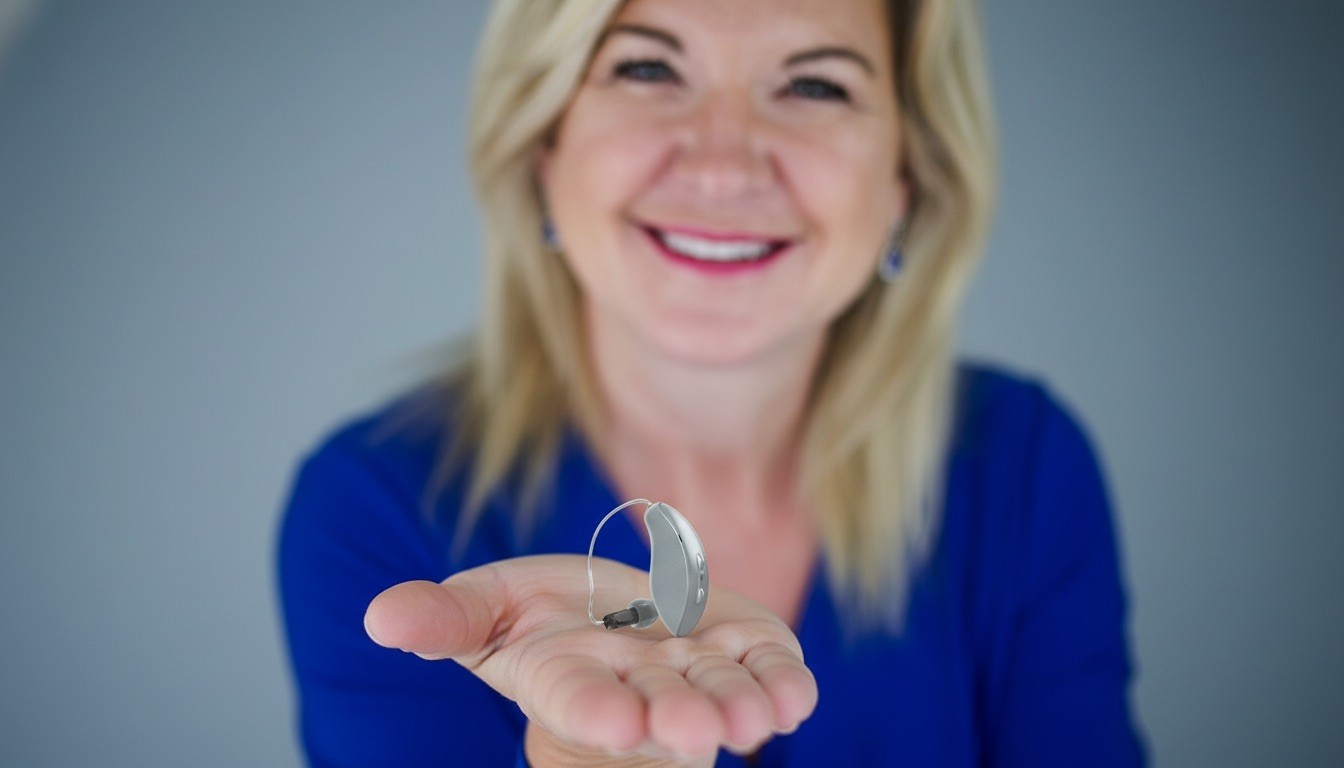
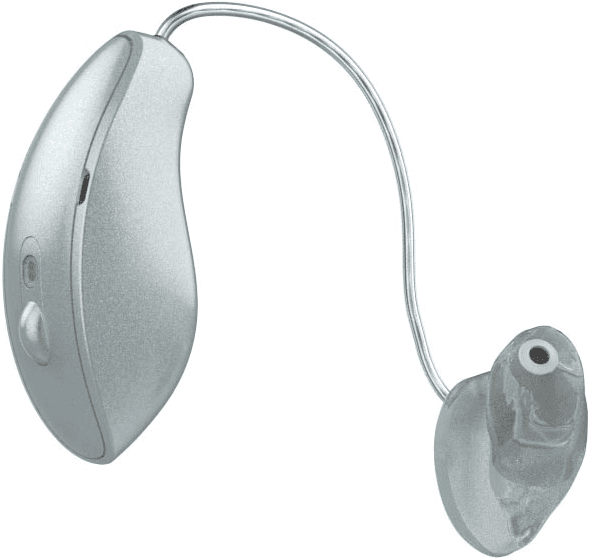
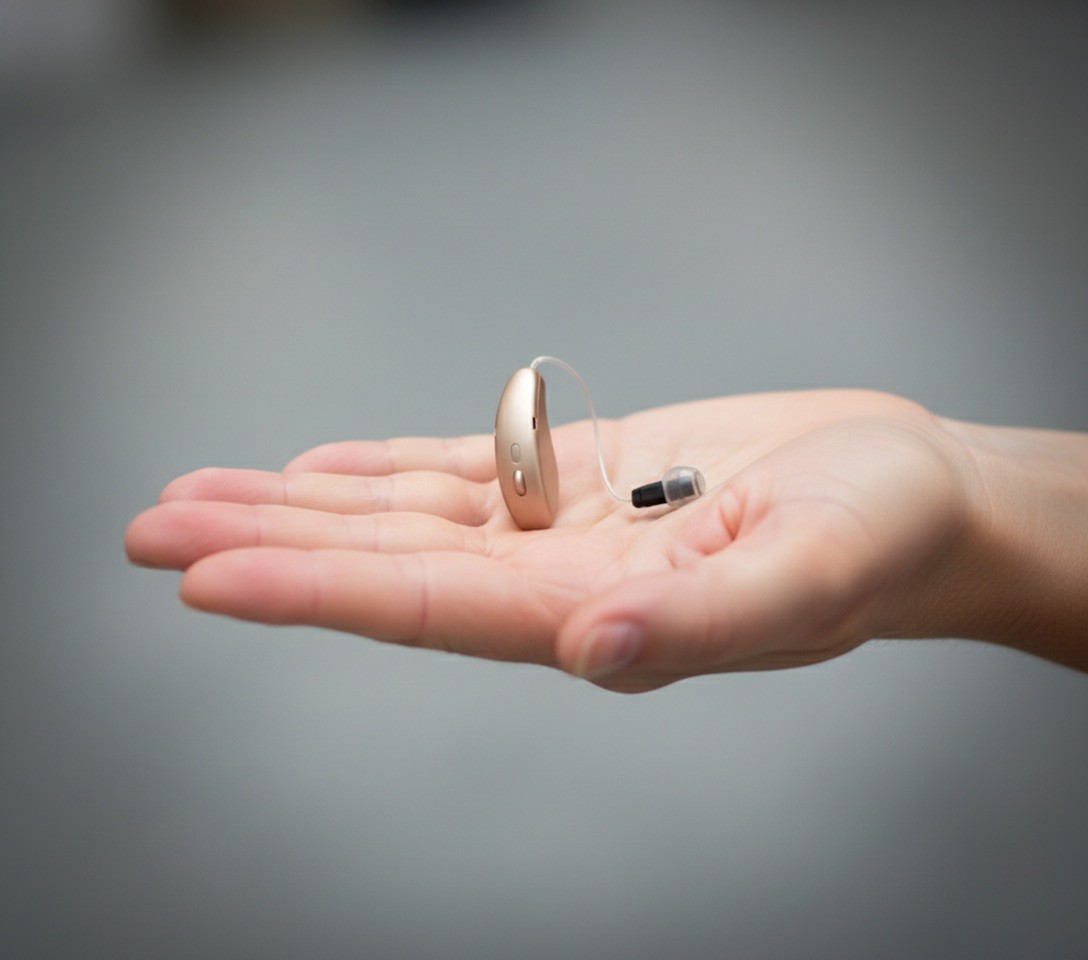
Just like the improvements to your smartphone and other digital devices, hearing technology has rapidly progressed over the past couple of decades, allowing hearing aid manufacturers to produce smaller, lighter, more stylish, and more discreet devices.
Though in a smaller package, modern hearing aids pack a lot of processing power, provide for more natural sound clarity with the capacity to control background noise, might include long-lasting rechargeable batteries, and offer the capability to link your hearing aids to other digital devices, like your cellphone, television, and computer.
Our Hearing Aid Specialist Will Help You Choose
Because today’s technology also makes it possible for hearing aids to come in a variety of different sizes, costs, and features, you’re apt to become overwhelmed by all the choices available. To help put your mind at ease, our hearing aid specialist will guide you through the selection process by helping you consider your unique needs and preferences, like:
The processing power needed to address your specific level of hearing loss
Your manual dexterity and visual capabilities
Your budget limitations
Your wearing discretion and cosmetic concerns
Skin sensitivities
Anatomical/medical considerations
Understanding the vast array of hearing devices available today is the first step in finding the right solution for your hearing needs.
Advanced Hearing Aid Technology in Action:
Omega™ Hearing Aids
Modern hearing aids are designed to do more than amplify sound - they adapt, protect, connect, and support overall well-being. While many devices offer pieces of this technology, Omega™ hearing aids bring it all together in one fully automatic, AI-driven system.
Omega is a powerful example of how today’s advanced hearing aid technology can improve confidence, safety, and quality of life - without the need for constant manual adjustments.
Durable & Waterproof*
Built for real life. Omega hearing aids are designed to withstand sweat, dirt, dust, drops, and water exposure—so you can focus on living, not worrying.
*Waterproof ratings vary by model
Binaural Streaming
Calls, music, podcasts, and more stream directly to both ears via Bluetooth for a balanced, natural listening experience—whether you’re at home or on the go.
Health Monitoring
Omega supports overall wellness by tracking activity and engagement, helping patients stay active, connected, and aware of their daily habits.
Fall Detection
Omega is the only hearing aid technology with built-in fall detection. If a fall is detected, alerts can be sent to loved ones—offering peace of mind for both patients and their families.
AI-Powered Automatic Adjustments
Omega AI intuitively detects speech, background noise, and motion, adjusting automatically as environments change. This allows patients to move confidently through their day knowing their hearing adapts with them.
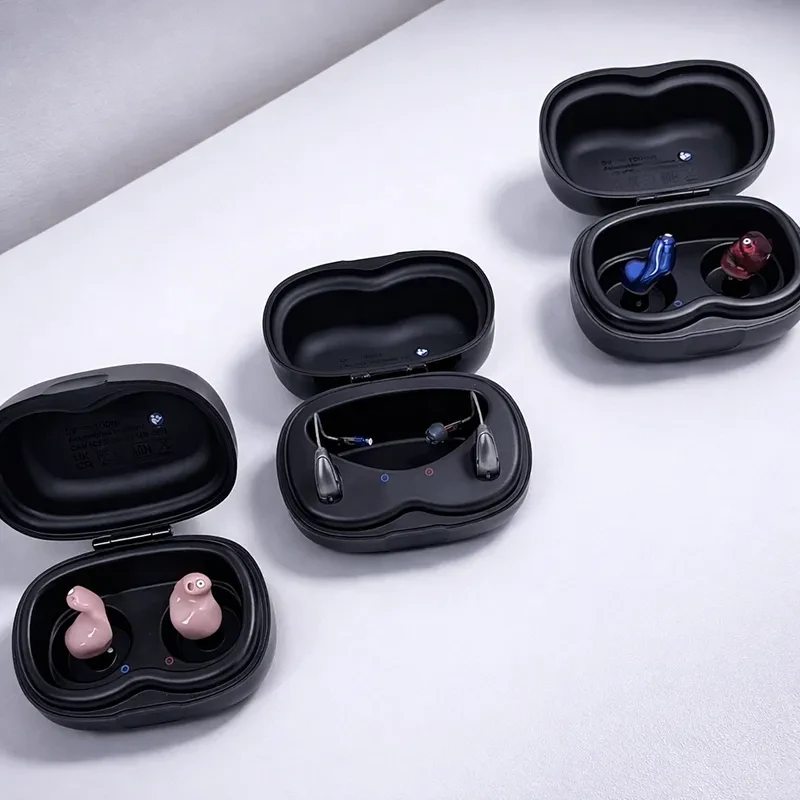
We offer a range of pricing options to suit all budgets. Provincial Hearing is committed to working closely with patients to explore the best hearing healthcare solutions tailored to their needs.
FAQs About Hearing Aids
Find clear answers to common questions about hearing aids, so you know what to expect every step of the way
How will I know if I need a hearing aid?
Will a hearing aid cure my hearing loss?
How long will my hearing aid last?
How long do hearing aid batteries last?
How long does it take to get used to a hearing aid?
Why do hearing aids cost so much?
Hearing Aid Styles
Different hearing aid styles tailored to the unique needs of every patient
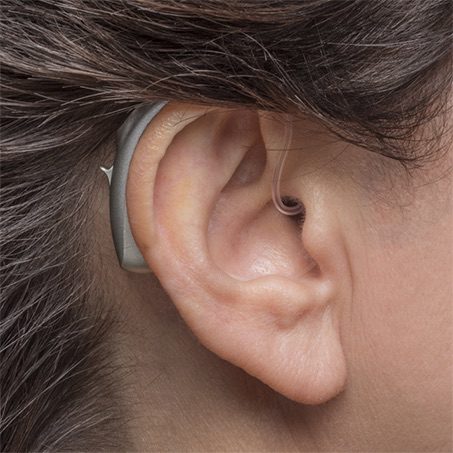
Behind-the-Ear (BTE)
BTE hearing aids may resemble older models, but they’re lighter, more streamlined, and digitally superior. With custom earmolds and open-canal options, they offer unmatched comfort, flexibility, and power for users with any degree of hearing loss.
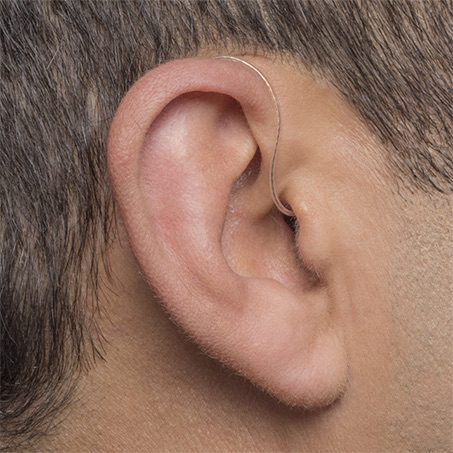
Receiver-in-Ear (RIC)
RIC hearing aids are BTE variants with an open-fit design for most hearing loss types. Their speaker sits in the ear tip, not the main body. Like BTEs, they’re small, light, and feature advanced tech for mild to severe hearing loss.
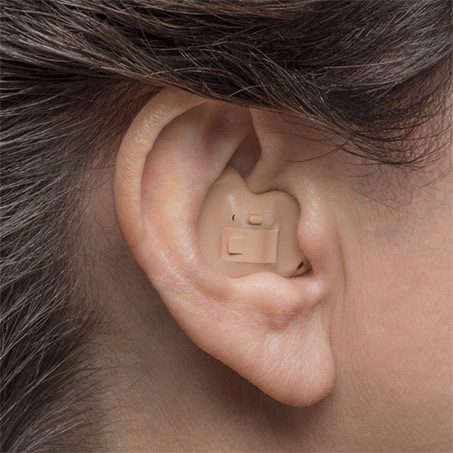
In-the-Ear (ITE)
ITE devices house all components in a custom-moulded shell for your ear. Full-shell tech delivers clear sound for all treatable hearing loss levels. Ideal for glasses or oxygen users, ITE aids offer easy controls, long battery life, rechargeability, and color options.
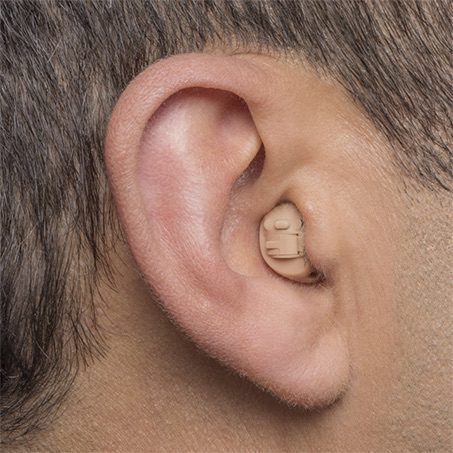
In-the-Canal (ITC)
ITC hearing aids are smaller, custom-moulded to fit deeper in the ear canal. They offer ITE benefits with added discretion and comfort for glasses, hats, or oxygen use. Ideal for mild to moderately severe hearing loss, with customizable external controls.
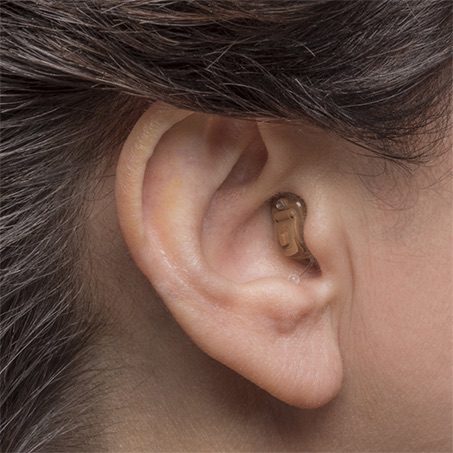
Completely-In-The-Canal (CIC)
CIC devices sit deeper in the ear canal than ITC styles and use a small plastic post for removal. Best for mild to moderate hearing loss, they offer comfort, discretion, and clearer sound - but may be hard to manage for those with dexterity issues.
Invisible-In-the-Canal (IIC)
IIC hearing aids fit near the second bend of the ear canal for complete invisibility. Custom-moulded, digital, and powerful, they suit active users with mild to moderate hearing loss who can manage insertion and removal thanks to good manual dexterity.